Table Of Content
- The Spiritual Significance: A Lesson in Resilience
- Jabal Thawr Location and Key Facts
- Practical Advice: How to Reach Jabal Thawr Safely
- Before Attempting the Climb
- Jabal Thawr or Jabal al-Noor: What Is the Difference?
- How to Include Jabal Thawr in a Makkah Ziyarah Itinerary
- Frequently Asked Questions
- Where is Jabal Thawr?
- Why is the Cave of Thawr important?
- Can I visit without climbing to the cave?
- Is Jabal Thawr the same as the Cave of Hira?
- What should I wear for the climb?
- Official References
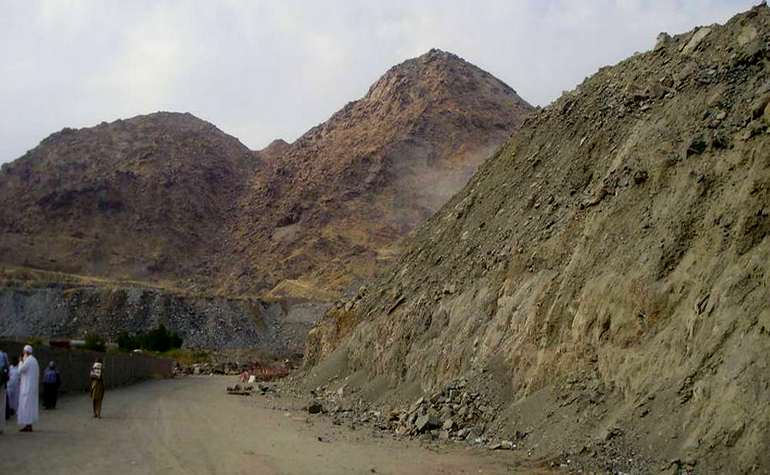
While every step in Makkah is a walk through history, few locations are as closely connected with the Hijrah as Jabal Thawr. Located about 4 kilometers south of the Grand Mosque, the mountain contains the Cave of Thawr (Ghar Thawr), where the Prophet Muhammad ﷺ and his companion Abu Bakr (RA) took refuge during their migration from Makkah to Madinah.
This guide explains why the site is important, where it is, what the terrain is like, and how to plan a safe and respectful visit. Jabal Thawr is a historical stop rather than part of the Umrah rites, so it can be added around your worship schedule if time, health, and local conditions allow.
The Spiritual Significance: A Lesson in Resilience
Jabal Thawr is remembered as a place of trust, patience, and divine support. During the Hijrah, the Prophet ﷺ and Abu Bakr (RA) stayed in the cave for three nights before continuing toward Madinah.
The event is referenced directly in Surah At-Tawbah, verse 40. When Abu Bakr (RA) was concerned, the Prophet ﷺ reassured him: "Do not grieve; indeed Allah is with us." For visitors, the significance of Jabal Thawr lies in reflecting on this moment in the Prophetic migration rather than treating the mountain simply as a sightseeing or climbing destination.
Jabal Thawr Location and Key Facts
Jabal Thawr is south of Masjid al-Haram in Makkah. Saudi official references place it approximately 4 kilometers from the Grand Mosque and describe the mountain as rising about 760 meters above sea level.
The Cave of Thawr sits near the summit rather than at the base. It is a hollow in the rock with openings on its eastern and western sides. The lower part of the mountain is easier than the upper section, where the paths become rugged and the gradient is severe.
These details matter when planning your visit: reaching the mountain and reaching the cave are two very different activities. A driver can bring you to the base area, but the climb toward the cave is a demanding mountain ascent.
Practical Advice: How to Reach Jabal Thawr Safely
Jabal Thawr is reached by road from central Makkah, with the final approach depending on current traffic and local access arrangements. If you are travelling as a family or group, agree on a meeting point and return time before leaving the vehicle.
You do not have to climb to the cave to include Jabal Thawr in a Makkah historical tour. Older travellers, young children, anyone with limited mobility, and visitors who are not accustomed to steep mountain routes can view the mountain from the base and learn about its role in the Hijrah without attempting the ascent.
Before Attempting the Climb
The Saudi Ministry of Hajj and Umrah advises visitors to wear appropriate shoes and clothing, take care while ascending and descending because of the severe gradient, and follow health and security instructions. Treat those precautions as minimum requirements.
- Assess your fitness honestly. The upper paths are rugged. Do not let a group schedule pressure you into a climb that is unsuitable for your health or mobility.
- Check conditions on the day. Heat, rain, visibility, maintenance, and official access instructions can change what is safe. Follow signs and directions from local authorities.
- Wear suitable footwear. Closed shoes with reliable grip are more appropriate than sandals or smooth-soled footwear on uneven rock.
- Carry water and keep your load light. Bring what you need without making the ascent harder with unnecessary bags.
- Allow time to descend safely. Plan around daylight, prayer times, and your wider Makkah schedule. Do not rush the return journey.
- Keep the site clean. Take all bottles, food packaging, and personal items back with you.
If anyone feels dizzy, breathless, unsteady, or unwell, stop and seek help rather than continuing upward.
Jabal Thawr or Jabal al-Noor: What Is the Difference?
The two mountains are connected with different moments in the life of the Prophet ﷺ and should not be confused.
- Jabal Thawr is south of the Grand Mosque. Its cave is associated with the Prophet ﷺ and Abu Bakr (RA) taking refuge during the Hijrah to Madinah.
- Jabal al-Noor is northeast of central Makkah. It contains the Cave of Hira, associated with the beginning of revelation.
Both involve steep mountain terrain, but each has its own history and location. If you are considering both, read our Jabal al-Noor and Cave of Hira guide and decide whether a base visit or ascent is appropriate for each person in your group.
How to Include Jabal Thawr in a Makkah Ziyarah Itinerary
Jabal Thawr can be combined with other Makkah historical locations in one planned route. The best order depends on your hotel location, traffic, prayer schedule, group mobility, and how long you intend to spend at each stop.
Tell your driver in advance whether you only want to see the mountain from the base or whether members of your group intend to climb. That distinction affects waiting time and the rest of the itinerary. It is also helpful to choose a vehicle with enough passenger and luggage capacity for the whole group rather than arranging transport after reaching the site.
Keep the visit flexible. Worship and health should take priority over completing a long checklist of landmarks.
Frequently Asked Questions
Where is Jabal Thawr?
Jabal Thawr is approximately 4 kilometers south of the Grand Mosque in Makkah. The Cave of Thawr is near the top of the mountain.
Why is the Cave of Thawr important?
It is the cave where the Prophet Muhammad ﷺ and Abu Bakr (RA) took refuge during the Hijrah from Makkah to Madinah. The event is referenced in Qur'an 9:40.
Can I visit without climbing to the cave?
Yes. A base visit allows you to see the mountain and reflect on its history without attempting the steep upper route. This is the more suitable option for many families, older visitors, and people with mobility or health concerns.
Is Jabal Thawr the same as the Cave of Hira?
No. The Cave of Thawr is on Jabal Thawr and is connected with the Hijrah. The Cave of Hira is on Jabal al-Noor and is connected with the beginning of revelation.
What should I wear for the climb?
The Ministry of Hajj and Umrah advises appropriate shoes and clothing. Choose modest, comfortable clothing and closed footwear with good grip, and follow current health and security instructions at the site.
Official References
Related guides
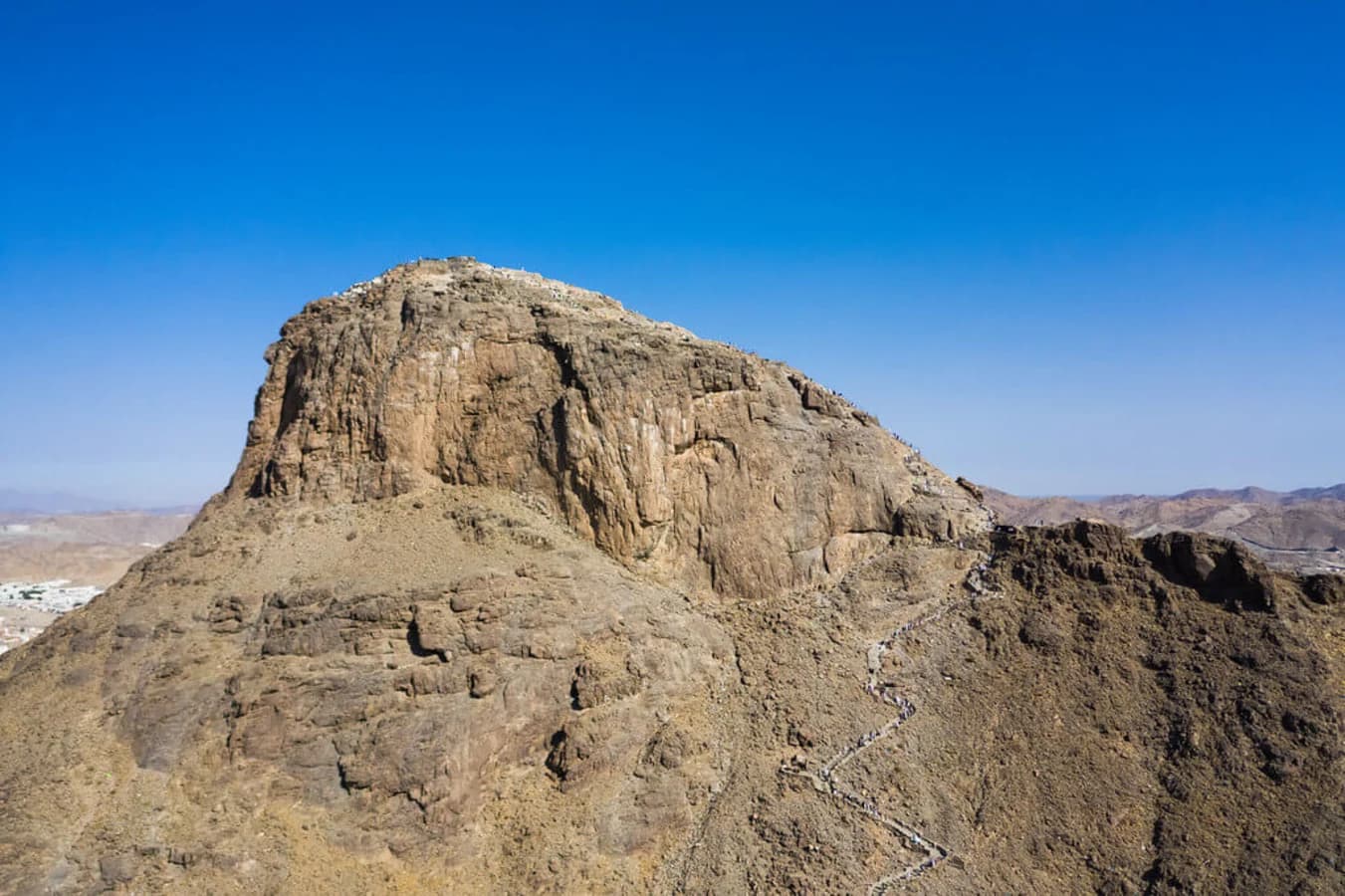
A 2026 Guide to Climbing Jabal al-Noor: Best Timings, Physical Readiness, and Spiritual Significance
Complete guide to climbing the Mountain of Light in 2026. Learn best timings, physical preparation, and spiritual significance of visiting Cave of Hira where the Quran was first revealed.
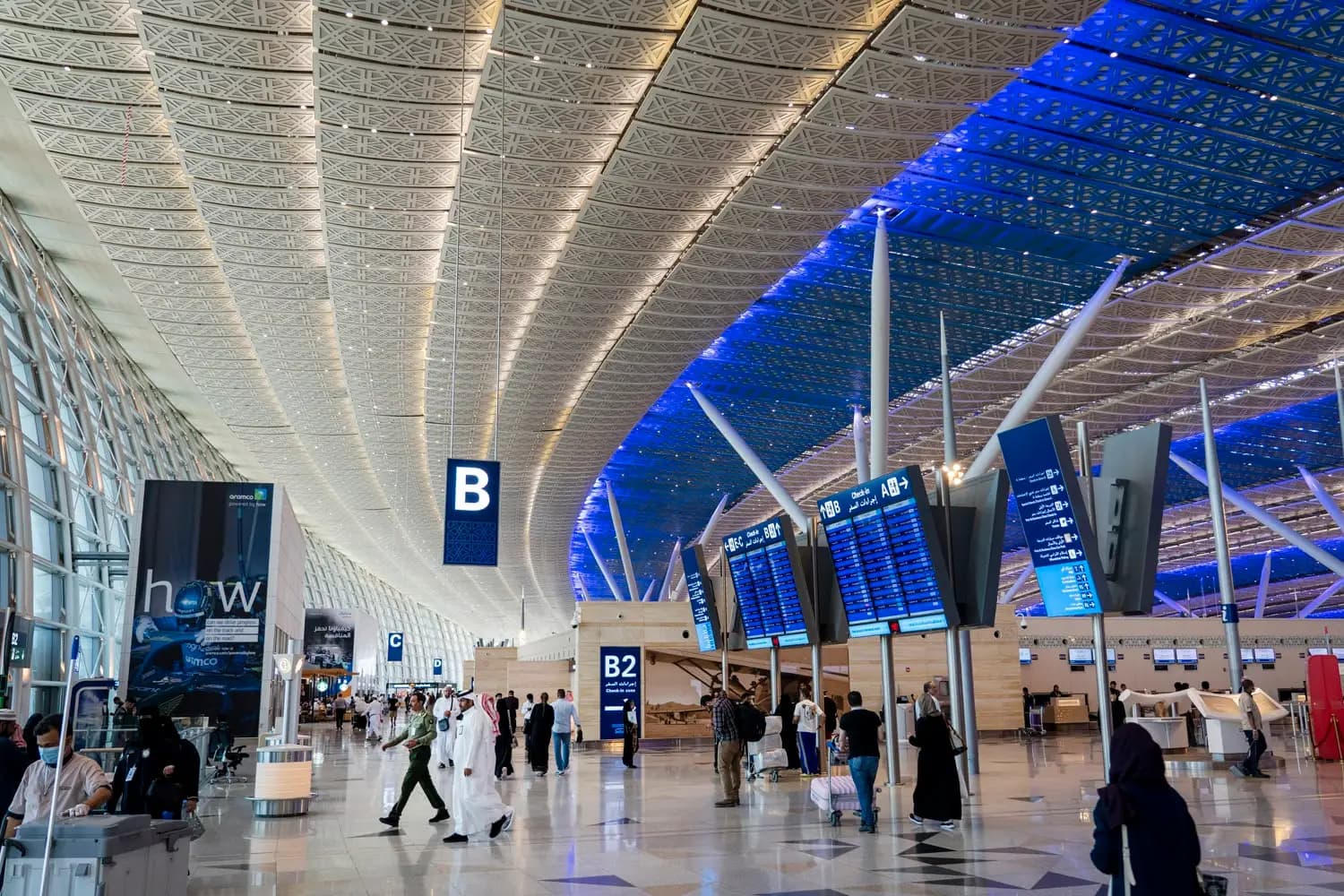
King Abdulaziz International Airport Arrival Guide for Umrah Travelers
A practical KAIA arrival guide for pilgrims landing in Jeddah, covering immigration, baggage, driver pickup, airport preparation, and the next transfer to Makkah.
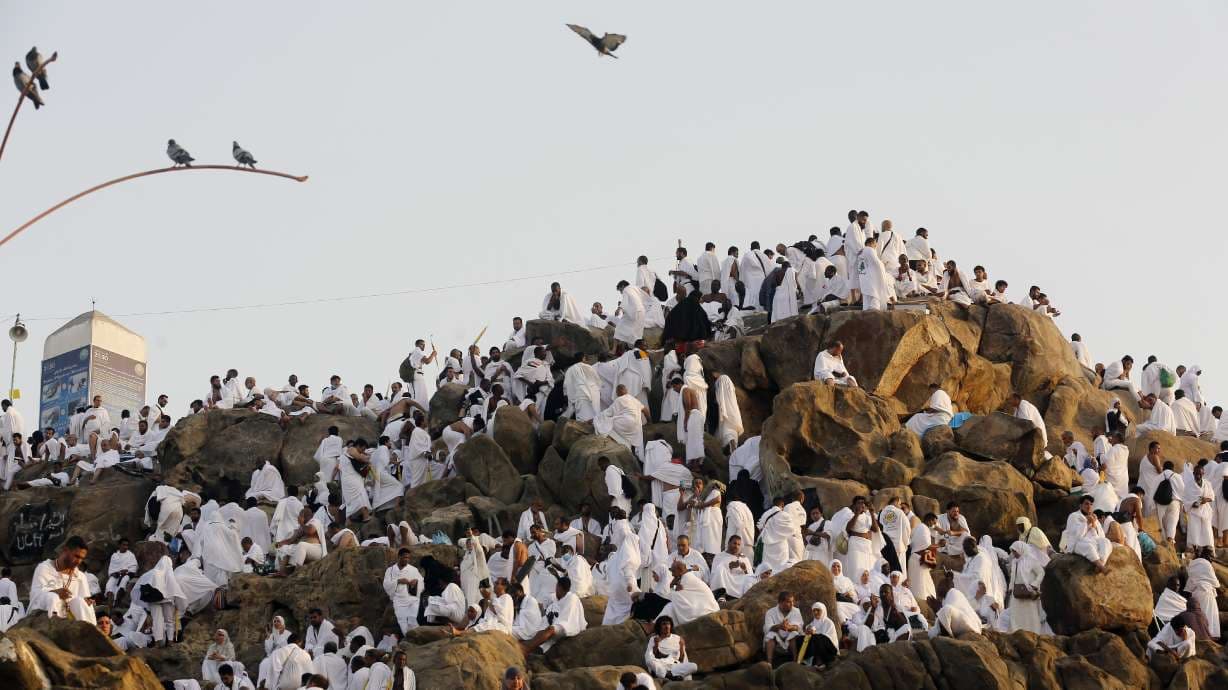
Exploring the Hajj Heartlands: A 2026 Ziyarat Guide to Mina, Arafat, and Muzdalifah
Visit the sacred sites of Mina, Arafat, and Muzdalifah during Umrah. Comprehensive 2026 guide to the Hajj heartlands with transport options and spiritual significance.
Makkah Ziyarah Taxi
Private visits to Makkah ziyarah sites with local route knowledge.
View taxi route